Have you ever wondered why chocolate prices are so high? It’s a common question, especially when you see headlines about a “cocoa crisis.” You might suspect a single company is controlling the market and setting prices.
The short answer is no, there is no single global monopoly on cocoa beans. However, the market is far from simple. Power is concentrated in a few key areas, creating bottlenecks that can feel like a monopoly. This structure influences everything from the price you pay for a chocolate bar to the income of millions of small farmers.
Let’s break down how the cocoa market really works, who holds the power, and what it means for you.
The Quick Answer: No Monopoly, But Concentrated Power
Here’s what you need to know at a glance:
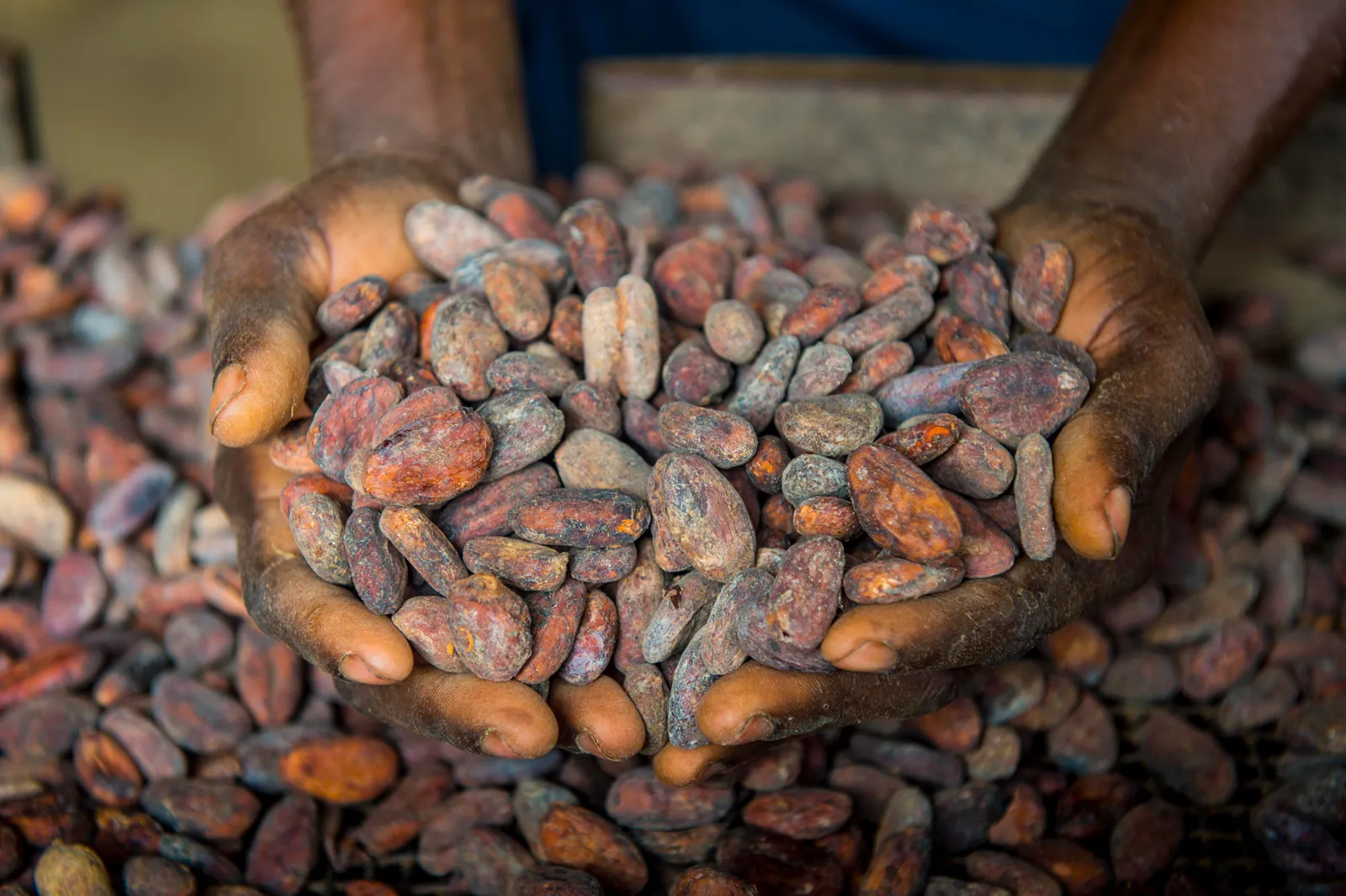
- No Single Monopoly: Millions of small farmers, primarily in West Africa, grow the world’s cocoa. One company does not own or control them.
- Country Concentration: Two countries, Côte d’Ivoire and Ghana, produce over 60% of the world’s cocoa. Their national policies and pricing decisions have a massive impact on the global supply.
- Midstream Oligopoly: A small group of powerful companies—known as traders and processors—dominate the middle of the supply chain. These include giants like Barry Callebaut, Cargill, and ofi (Olam). They buy raw beans, grind them, and sell cocoa products (like liquor and butter) to chocolate makers. This is an oligopoly, where a few large firms control the market.
- Price Spikes Aren’t Proof of Monopoly: The recent record-high prices were caused by a severe supply shortage due to bad weather, crop disease, and aging trees, not by a single entity manipulating the market.
Who Really Controls the Price of Chocolate?
Power in the cocoa market isn’t about one player; it’s about a few influential groups at different stages. Think of it as a series of chokepoints where control is tightest.
1. The Producing Countries: Côte d’Ivoire and Ghana
These two nations are the titans of cocoa production. To support their farmers, they jointly implemented the Living Income Differential (LID), a $400-per-tonne premium on all their cocoa contracts. They also set a minimum price that farmers can receive.
When these governments make decisions, the entire market listens. For example, their announcements on farmgate prices can cause global futures to swing overnight. This is significant market power, but it’s wielded by national marketing boards, not a single private company.
2. The Middlemen: Traders and Processors
After beans are harvested, they enter the most concentrated part of the supply chain. A handful of multinational corporations buy the vast majority of the world’s cocoa. They have the infrastructure, finances, and global reach to transport, store, and process beans on a massive scale.
This oligopoly gives them immense bargaining power. They negotiate directly with producing countries and sell to thousands of chocolate makers, from global brands to small craft shops. While they compete with each other, their small number means they are the gatekeepers of the global cocoa flow.
3. The Big Brands: Major Chocolate Companies
The final layer of concentration is at the brand level. Companies like Mars, Mondelēz, Nestlé, Hershey, and Ferrero buy huge amounts of processed cocoa to make the chocolate products you see everywhere. Their purchasing power allows them to influence trends and pass costs on to consumers.
However, the rise of private-label store brands and a growing craft chocolate movement shows there is still competition in the retail space.
Why Did Cocoa Prices Skyrocket?
The dramatic price surge in 2024 wasn’t the result of a corporate conspiracy. It was a classic case of supply and demand.
- Poor Harvests: West Africa was hit by a perfect storm of heavy rains, the spread of swollen shoot virus, and aging, less productive trees. This led to a catastrophic drop in crop yields.
- Supply Deficit: The world was consuming far more cocoa than it was producing, causing inventories to fall to their lowest levels in decades.
- Market Speculation: As news of the deficit spread, futures markets reacted. Traders and buyers rushed to secure supply, pushing prices to historic highs above $10,000 per tonne.
These factors created a true supply crisis, and the high prices reflected a genuine shortage of physical cocoa.
A Practical Guide to Understanding the Cocoa Market
It’s easy to get lost in the headlines. Here is a simple framework to help you analyze claims about the cocoa market and make smarter decisions, whether you’re a chocolate lover or a business owner.
How to Fact-Check “Monopoly” Claims
- Distinguish Between Monopoly and Oligopoly: A monopoly is one seller. An oligopoly is a few sellers. The cocoa midstream is a clear oligopoly. Knowing the difference helps you ask more precise questions.
- Map the Supply Chain: Power hides in the middle. Always ask where the alleged control is happening: at the farm, in trade and processing, or at the brand level? Claims without this detail are often weak.
- Separate Price Spikes from Bad Behavior: A shortage is not the same as market manipulation. Before assuming a conspiracy, check for data on supply deficits, weather events, and crop disease from credible sources like the International Cocoa Organization (ICCO).
- Understand Policy vs. Corporate Power: When countries like Ghana set prices, it’s a government policy. This is different from a company like Cargill cornering the market. Both affect prices, but their mechanics and motivations are not the same.
Tips for Businesses and Buyers
If you run a business that relies on cocoa, volatility is a major risk. Here’s how to manage it:
- Stress-Test Your Pricing: How would your costs change if cocoa prices rose by 20%, 50%, or 100%? Model these scenarios to understand your financial breaking points.
- Build Relationships with Suppliers: A good supplier can offer insights, flexible contract options, and early warnings about market shifts. Don’t just focus on the lowest price.
- Diversify Your Sourcing: Relying on a single origin or supplier is risky. Explore sourcing cocoa from different regions, like Latin America or Asia, to buffer against regional supply shocks.
- Consider Hedging: For larger businesses, using futures or options contracts can help lock in prices and protect against sudden spikes. Even small businesses can ask suppliers about fixed-price forward contracts.
Final Thoughts
While no single company has a monopoly on cocoa, the market is defined by concentrated power. National governments in West Africa, a handful of global traders, and major chocolate brands all hold significant influence.
The recent price crisis was a reminder of how fragile this supply chain is. It was driven by a real shortage, not a monopolist pulling the strings. By understanding the roles of oligopoly, government policy, and agricultural realities, you can move beyond the headlines and grasp the true dynamics shaping the price of your favorite treat.
