
You love the taste of good chocolate, but what’s the story behind the bar? You may see words like “single-origin” or names of distant countries on the packaging and wonder what they truly mean. Understanding where cocoa beans come from is the key to unlocking a world of flavor and making choices you feel good about.
This guide will give you a clear map from the cocoa tree to the chocolate bar in your hand. You’ll learn:
- Which countries grow the best cocoa beans.
- The three main types of beans and how they taste.
- How farming and processing create the flavors you love.
- Simple tips for decoding labels and choosing your next bar.
What Are Cocoa Beans?
Cocoa beans are the seeds found inside the colorful fruit of the Theobroma cacao tree, whose name fittingly means “food of the gods.” These trees thrive in a narrow tropical band around the Equator, in hot, humid climates.
Farmers harvest the ripe fruit, called cacao pods, and scoop out the seeds, which are covered in a white, fruity pulp. The magic happens next: the beans are fermented for several days and then dried in the sun. These dried beans are what chocolate makers roast to create chocolate, cocoa powder, and cocoa butter. Every time you enjoy a piece of chocolate, you are tasting a specific place, season, and the skill of a farmer.
Your Guide to Cocoa Bean Origins
The Cocoa Belt: Where the Magic Happens
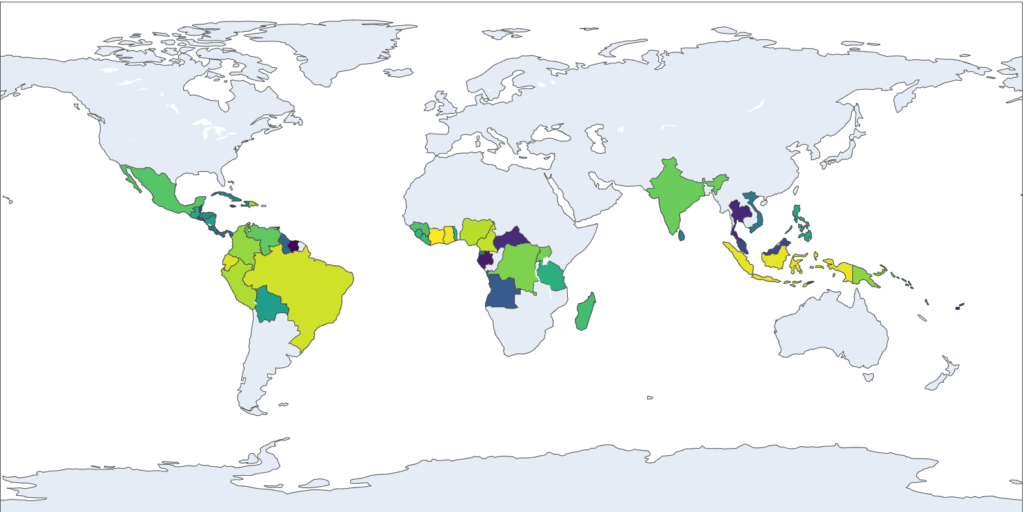
Cocoa beans don’t grow just anywhere. They need the specific conditions found in the “cocoa belt,” a region spanning roughly 20 degrees north and south of the Equator. This includes parts of West Africa, Latin America, and Southeast Asia.
- West Africa: Countries like Côte d’Ivoire and Ghana are the world’s largest producers. They are known for a robust, classic chocolate flavor.
- Latin America: As the birthplace of cacao, nations such as Ecuador, Peru, and Brazil offer incredible diversity, from fruity to floral notes.
- Southeast Asia: Places like Indonesia and Vietnam contribute unique beans, sometimes with spicy or earthy undertones.
When a chocolate bar says “Ghana 70%,” it means the cocoa beans were grown in Ghana, a country known for its bold, chocolatey flavor profile.
Meet the Three Main Bean Families
Just like there are different types of grapes for wine, there are different varieties of cocoa beans. Knowing the three main families helps you predict a chocolate’s taste.
- Forastero: This is the most common bean, making up over 80% of the world’s cocoa. It’s hardy and high-yielding, producing a strong, classic chocolate flavor. Think of it as the dependable foundation of the chocolate world.
- Criollo: This is the rare, premium variety, known for its delicate and complex flavors. It’s less bitter and has notes of caramel, nuts, and fruit. It’s a luxury bean, often found in high-end chocolates.
- Trinitario: A hybrid of Criollo and Forastero, this bean combines the best of both worlds. It has the hardiness of Forastero with some of the nuanced flavors of Criollo, often presenting a fruity and well-balanced profile.
From Farm to Flavor: Harvest and Fermentation
Great chocolate starts with careful work on the farm. Farmers harvest pods at peak ripeness to ensure the best flavor. But the most critical step for flavor development is what happens next.
Fermentation is where the transformation begins. The wet beans and their pulp are placed in wooden boxes or under banana leaves for 4 to 7 days. During this time, natural yeasts and bacteria work their magic, breaking down the pulp and developing the complex flavor precursors that we recognize as chocolate. Without fermentation, cocoa beans would taste bland and bitter.
After fermentation, the beans are dried, usually in the sun, to reduce moisture and lock in the flavor. A label that mentions fermentation details, like “6-day box fermentation,” signals a commitment to quality and craft.
How to Choose a Better Bar
Reading a chocolate label shouldn’t be confusing. Here’s how to decode the terms and choose an origin you’ll enjoy.
Key Terms to Look For
- Single-Origin: This means the cocoa beans come from a single country or a specific region within it. This allows the unique flavor profile of that place to shine through.
- Country and Region: “Peru—Piura” is more specific than just “Peru.” The more precise the location, the more distinct the flavor is likely to be.
- Farm or Co-op Name: Seeing a farm’s name on the package signals traceability and a direct connection to the source.
- Cocoa Percentage: A “70% bar” contains 70% cocoa solids (the bean itself) and 30% other ingredients, usually sugar. Higher doesn’t always mean better; it’s about finding the balance you prefer.
Ethical and Sustainable Sourcing
The story of chocolate also includes the people who grow it. Most cocoa comes from smallholder farmers facing challenges like low prices and climate change. When you choose your chocolate, look for signs of responsible sourcing.
Certifications like Fair Trade and Organic are a good start. However, transparency is often the most powerful indicator. Look for brands that name their partner farms or cooperatives and talk openly about their pricing and partnerships. Supporting these companies helps ensure a more sustainable and equitable future for cocoa farmers.
Taste the World at Home: A Simple Tasting Flight
The best way to understand origin is to taste it for yourself. It’s easy and fun to do at home.
- Select Your Bars: Choose three single-origin dark chocolate bars with similar cocoa percentages but from different regions (e.g., Ghana, Ecuador, and Madagascar).
- Set Up Your Tasting: Break off a small piece of each and place them on a plate. You can label them to keep track.
- Taste Mindfully: Start with the mildest-smelling bar. Let a small piece melt on your tongue. Don’t chew it right away. Notice the flavors that emerge. Are they fruity, nutty, earthy, or floral?
- Cleanse Your Palate: Take a sip of water and wait a minute before tasting the next one.
- Compare and Contrast: You might discover that the bar from Ghana tastes like a rich brownie, while the one from Madagascar is bright and citrusy. You’ve just tasted the difference origin makes!
Your Chocolate Journey Begins Now
You now have a map to navigate the world of chocolate. You know that the flavor in your favorite bar is shaped by its origin, the type of bean, and the care taken by farmers. By reading labels with confidence and tasting with curiosity, you can turn a simple treat into a delicious exploration of geography and craft. Your next chocolate bar won’t just be a sweet indulgence—it will be a story.
If you want to know how to buy wholesale cocoa, click here.
